0
Skip to Content
TRAUMA ICU ROUNDS
Explore All Topics
Trauma Resuscitation
Airway & Mechanical Ventilation
Shock & Hemodynamics
Neurocritical Care & TBI
Acute Care Surgery & EGS
Surgical Critical Care
Leadership & Trauma Systems
Podcast
About
Resources
TRAUMA ICU ROUNDS
Explore All Topics
Trauma Resuscitation
Airway & Mechanical Ventilation
Shock & Hemodynamics
Neurocritical Care & TBI
Acute Care Surgery & EGS
Surgical Critical Care
Leadership & Trauma Systems
Podcast
About
Resources
Folder: Topics
Back
Explore All Topics
Trauma Resuscitation
Airway & Mechanical Ventilation
Shock & Hemodynamics
Neurocritical Care & TBI
Acute Care Surgery & EGS
Surgical Critical Care
Leadership & Trauma Systems
Podcast
About
Resources
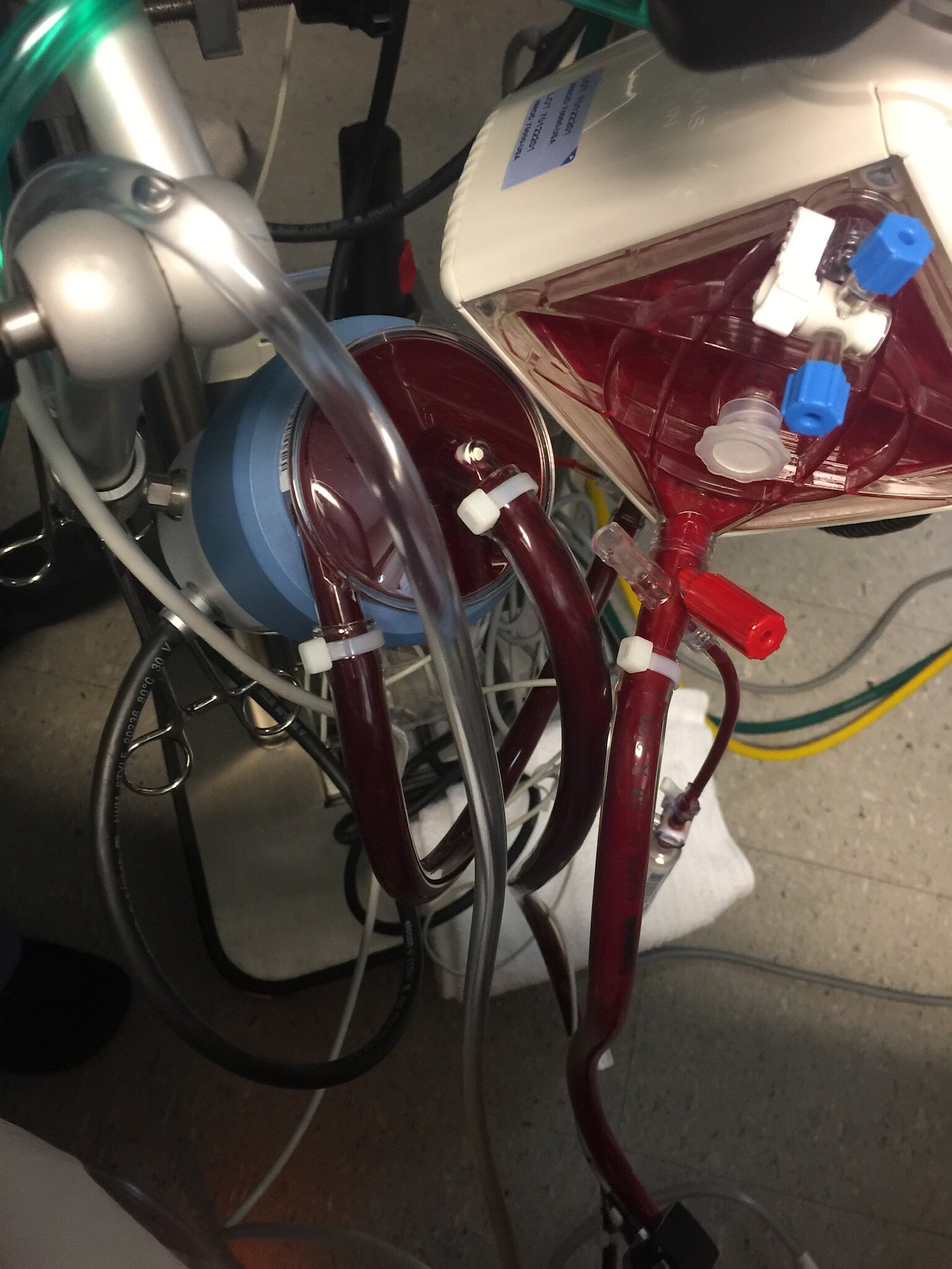
The rEVOLUTION of ECMO
Surgical Critical Care Dennis Kim 6/7/21 Surgical Critical Care Dennis Kim 6/7/21

The rEVOLUTION of ECMO

Read More
COMMON TRAPS

Equating hypotension with shock

Blood pressure does not define tissue perfusion.

Giving fluid because the patient is hypotensive

The dominant problem may be pump, flow, or tone.

Treating lactate as the diagnosis

Lactate is a signal.

It is not a mechanism.

Assuming only one shock phenotype

Mixed shock is common.

Escalating vasopressors without reassessing cardiac function

A higher MAP does not necessarily mean better circulation.

Continuing an intervention without testing the response

Every intervention should generate another question:

Did it work?

WATCH THE EPISODE

Shock Is Not Just Hypotension: What Most Clinicians Miss

In this episode of Trauma ICU Rounds, we work through a practical framework for recognizing shock, understanding oxygen delivery, identifying the major shock phenotypes, using POCUS, assessing fluid responsiveness, and choosing interventions based on physiology rather than blood pressure alone.

Watch on YouTube
https://youtu.be/GU9739FLXrU

DOWNLOAD THE SHOCK POCKET PLAYBOOK

A one-page bedside reference covering:

  • recognition of shock

  • Volume • Pump • Flow • Tone

  • the first 5–10 minutes

  • POCUS questions

  • fluid responsiveness

  • Don’t Chase the MAP

  • diagnoses not to miss

Download the Pocket Playbook

ROUNDS BOTTOM LINE

SHOCK IS A PHYSIOLOGIC DIAGNOSIS

Recognize impaired perfusion.

Identify the dominant mechanism.

Treat volume, pump, flow or tone.

Then reassess whether oxygen delivery and tissue perfusion actually improved.

CONTINUE ON TRAUMA ICU ROUNDS

Damage Control Resuscitation

Control the bleeding. Preserve physiology. Buy time for hemostasis.

Explore DCR

Hemorrhage & Resuscitation

Practical frameworks for bleeding, blood products and physiologic resuscitation.

Explore Topic

Trauma ICU Rounds

Practical, evidence-based trauma and critical care for clinicians managing critically ill patients.

Watch More Episodes

TRAUMA ICU ROUNDS

Think Clearly. When Minutes Matter.

Dennis Kim, MD
Trauma Surgeon · Intensivist · Medical Educator

EXPLORE

Topics
Podcast
‍ ‍YouTube
Resources

ABOUT

About Dr. Kim
CV
Speaking & Collaboration
‍ ‍Contact


© 2026 Trauma ICU Rounds